Japan & COWs.
This week, meet Susan Mudry – Continuing the long, beautifully complicated history of Women Missionaries in Japan.
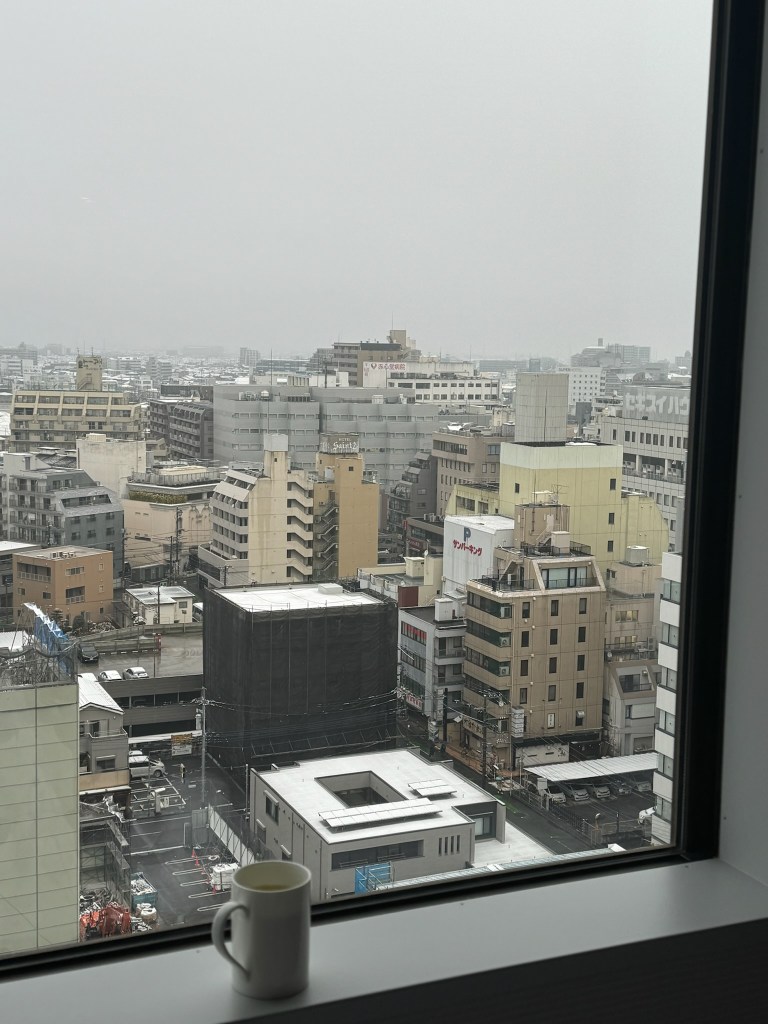
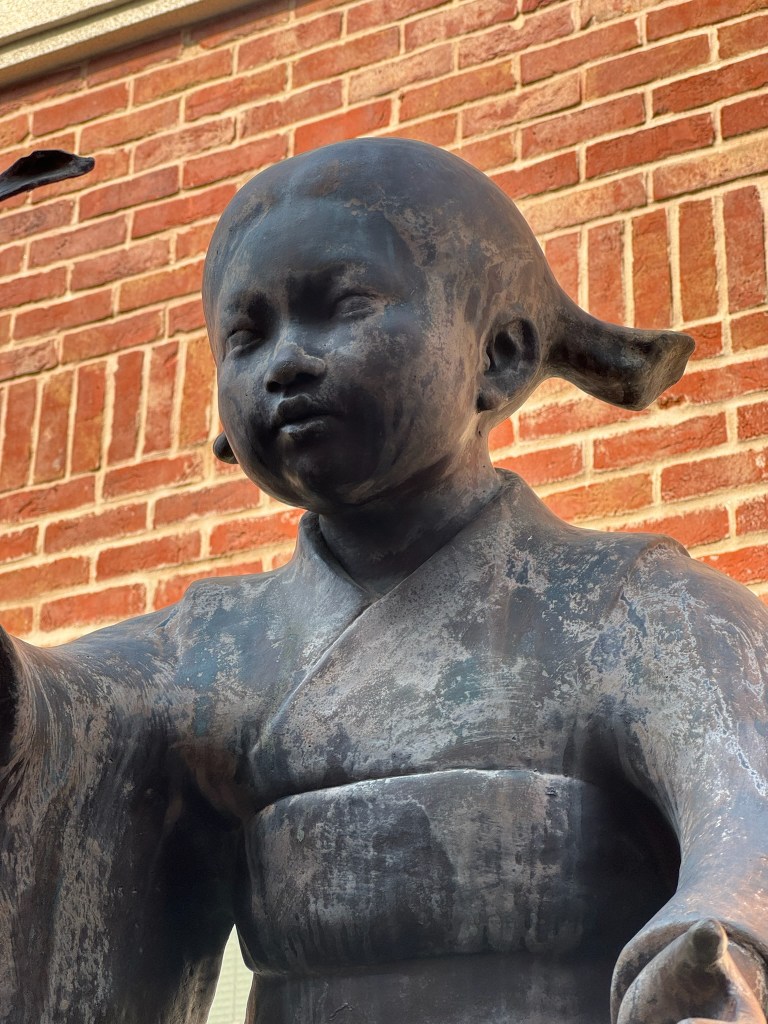
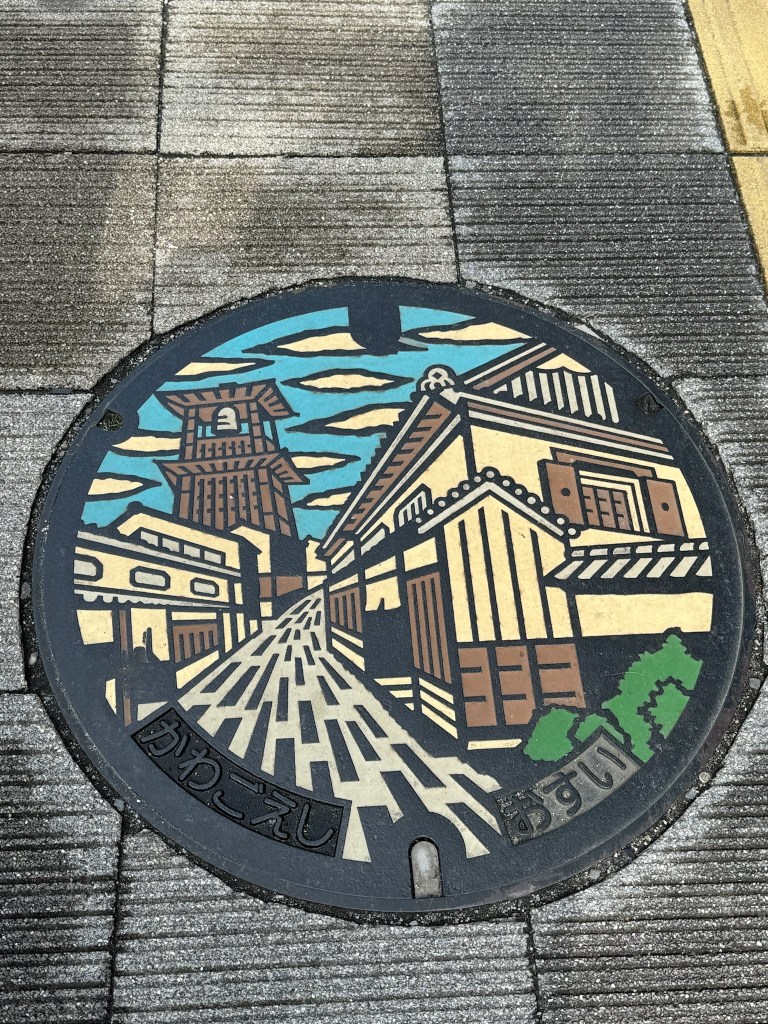
It was a true blessing and adventure to raise our children in southwest Colorado. The mountains provided opportunity for exercise, exploration and expanding our kids knowledge of the world around them. However, it is the people with whom we continue to do life with even after moving away 8 years ago that have made the experience worthwhile.
Rare is the opportunity to join yourselves to a group that impacts your life on a consistent basis especially one that transcends location. Our group started as a book club. A group of women gathering each month to discuss everything from biographies to zoology and all genres in between. There were agreements – and often disagreements. Sometimes outside angst found its way into discussion groups and cold-shoulder treatments were followed by ugly crying until restoration ensued. We held each other accountable in ways that only those who have discussed Dietrich Bonhoeffer for 2 months can do. We loved each other enough to read books we hated in dialects that made us want to scream. There were old married, young married and unmarried. There were fundamentalists and those with more liberal tendencies. Teachers, homeschoolers, professionals, singers, missionaries and ministers. We were very typical of the diversity present in our community and it was beautifully messy and complicated.
As a men’s group adopted the title “Band of Brothers”, the moniker “Company of Women” crossed my mind and the COWs were born. We were a herd of different breeds but brought together by a love of God and for each other. We saw life differently – through our own lenses of experiences and passions and calling.
It was here that Susan Mudry shared with us her heart for Japan and the Japanese people. Susan’s love of youth and sports and her ability to share her different with views was fresh and energizing. Never have I met anyone so willing to embrace and accept people right where they are, as they are and see them for who they are – a creation of Christ.
When the opportunity came to visit Susan again and this time share with the world her heart for Japan, I was more than ready! Traveling with Jill Palmer, we embarked in March to spend a week with Susan and tell her story – at least a small part.

Susan’s road is windy and bumpy, like all beautiful paths are. And it is as beautiful as her clear clarion laugh across a coffee table.
Prepared.
Susan’s love for Japan began at a very early age when her parents introduced her to a family friend who had been in a Japanese Internment Camp during World War II. She as greatly affected by the sadness this woman had because they had not been able to learn the language of her family. The stories and cultural experiences planted a deep seed in Susan’s heart. In second grade, a Japanese society presentation of songs and rhythms at her school fueled an early desire to learn more and to one day live in Japan. Her parents would find Japanese restaurants for her to enjoy as they encouraged her cultural exploration. Given the opportunity, Susan began studying the Japanese language in High School. Then during her Senior year, Susan chose Jesus as her Lord and Savior and this would be the formation for her life’s work.
Susan studied at Fort Lewis College in Durango, Colorado where she gained one-on-one discipleship skills and life-long friendships through Master Plan Ministries, a college-based outreach based on Colorado campuses. While in school, she served her local church with youth ministry until graduation and then she was able to gain further outreach experience through YWAM (Youth With a Mission) in Ôme, Tokyo Prefecture. It as during her time with YWAM that Susan had a personal encounter with God that left her knowing she would return to Japan one day to serve the people there. From 2005 – 2007, Susan served the Japanese youth with a church camp, then returned to the United States where for 6 years, Susan worked in New Jersey and Philadelphia with urban youth missions. Returning to Durango in 2012, Susan explored other ways of returning to Japan until the door opened with her to participate in a year of series with Chi Alph (College Ministry through the Assemblies of God). While with Chi Alpha, God began opening doors for her to pursue teaching English Language Learners – an area in which she is truly gifted.

In the summer of 2014, Susan and I served together as Interim Youth Sponsors while our church waited for the new youth pastor to gain his travel documents and move his wife and family from England. She was energy and life and approached the word of God with truth and honesty and gave the kids an acceptance they craved. Bible studies, Wednesday nights and sleep-overs gave witness to her love for teaching God’s word and its application in daily life.
While she had began studying Japanese in High School, a member of the church, born and raised in Japan, offered a unique opportunity for her to studying with Japanese speaker. Japanese lessons in Colorado! When the opportunity with Chi Alpha came, Susan was more than equipped to enter into the Japanese society with confidence and gain the acceptance of the nationals who appreciated the hard work she had done.

As a teacher and translator, Susan must sit for different tests to gain her qualifications. The Japanese Language Proficiency test is a series of exams to ensure the language and communication of the Japanese language is accurate among non-native speakers. There are 5 levels with testing in both reading and listening skills. Each test has a specific quantity of kanji the tester must know as well as hundreds of vocabulary words.
What is kanji? A kanji is a character. A letter, so to speak. The American alphabet consists of 52 characters – upper and lower case letters. The N3 test alone, requires knowledge of 650 kanji and 3,750 vocabulary words. That’s the mid-level test. Entry level? 2,000 kanji and 10,000 vocabulary words.
Japan & Education.
For literally centuries, the key to evangelism in Japan has been education. In the 1500’s, Jesuit priests first brought the gospel to Japan and in doing so, offered women new opportunities. The Hope of Salvation brought new equality through the most unlikely of means – responsibility.
Haruko Nawata Ward, a church history professor at Columbia Theological Seminary, in her book “Women Religious Leaders in Japan’s Christian Century, 1549–1650”, writes:
“Christianity required women to make a personal decision about their religious choices and confess it publicly in a society where women’s opinions mattered little. It required them to maintain a stronger loyalty to Christ than to their feudal lords, fathers, elder brothers, husbands and sons. It empowered women to take vows of celibacy, or choose their marriage partners from among Kirishitan men.”

When Christianity was banned in the 1700’s, Kakure Kirishitans, or “Hidden Christians” continued to share the Gospel of Jesus Christ. When the Meiji Era – the re-opening of Japan to outside influences – began in 1968, a group of Christians were found still worshipping God after being closed to the outside world and missions from 1603-1887.
Education has become Susan’s entry point as well. Teaching is a gift and an art. It can be learned, yes. And as skill it needs training to be honed. But as a Spiritual gift , there is something awe-inspiring to watch a Spirit-led teacher weave lessons and words and create meaningful moments that students treasure. Even more so when the room is filled with adults whose minds are filled with preconceptions of language structure and usage.
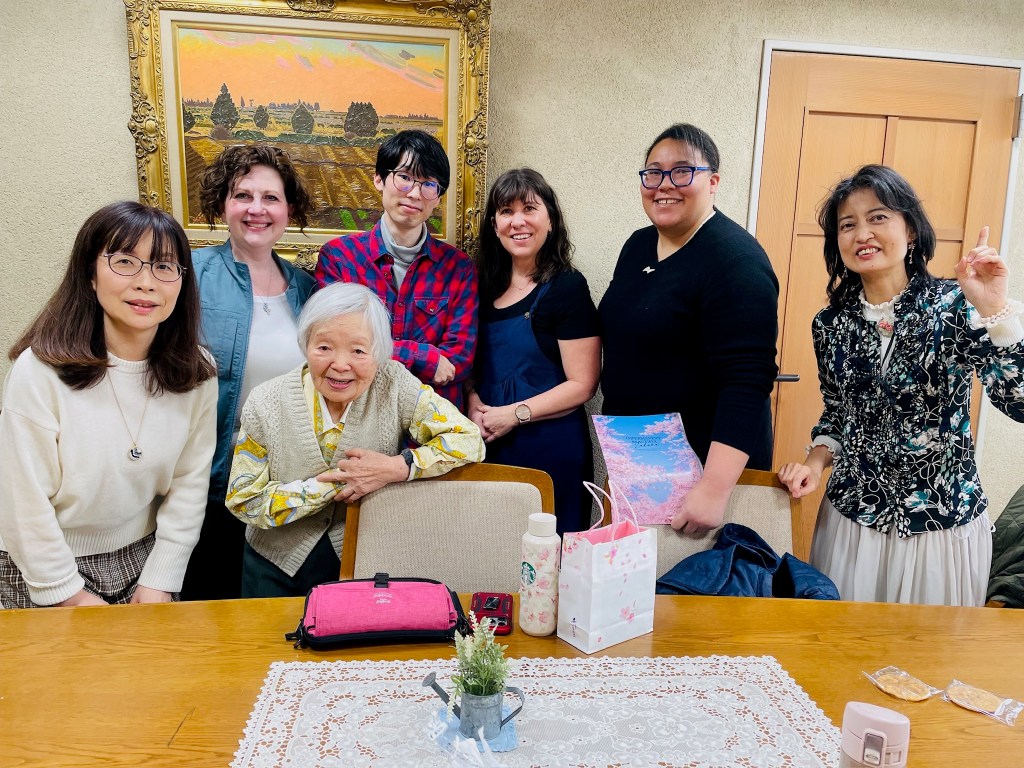
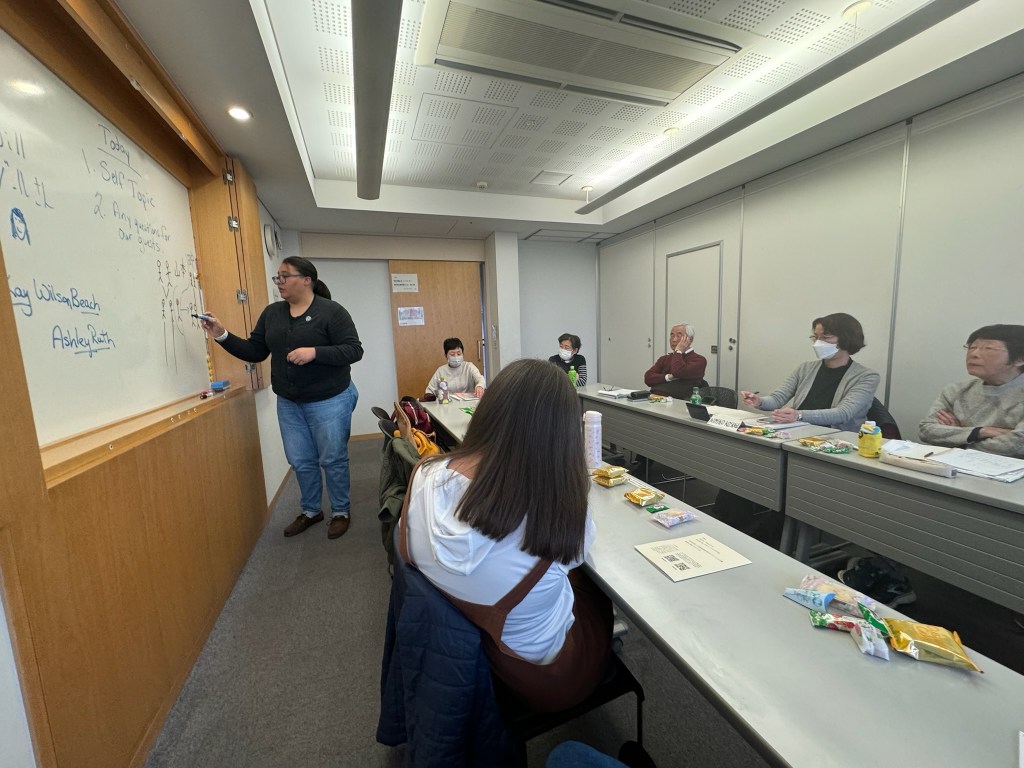
The English classes and Bible Studies Jill and I attended with Susan were filled with eager faces wishing to ask Americans questions about our country and our experiences and even our faith. As a storyteller, it is unnatural to stop in mid thought to allow a translator to do weave her words. Yet, time and again, Susan would share our thoughts and responses with clarity. She shared insight and even explained that I was not merely attempting to talk with my hands, but in wanting to communicate, I often used American Sign Language to emphasize my words – which brought laughter from students with perfect hearing.
Susan Mudry is a gifted teacher and linguist.
Qualified.
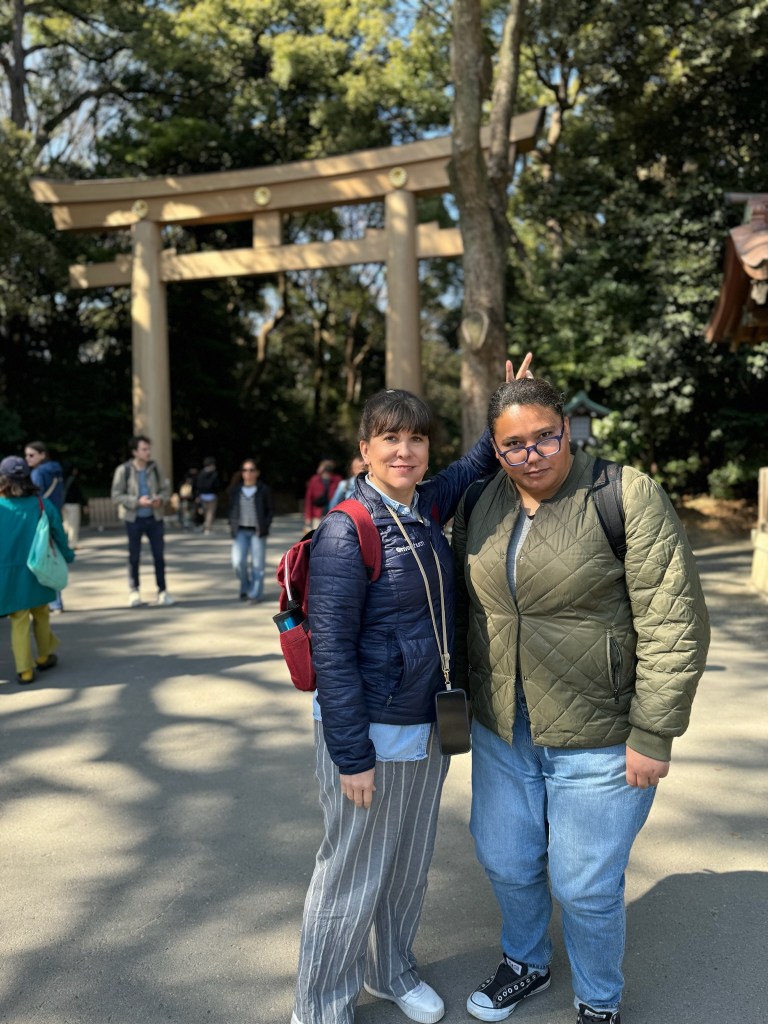
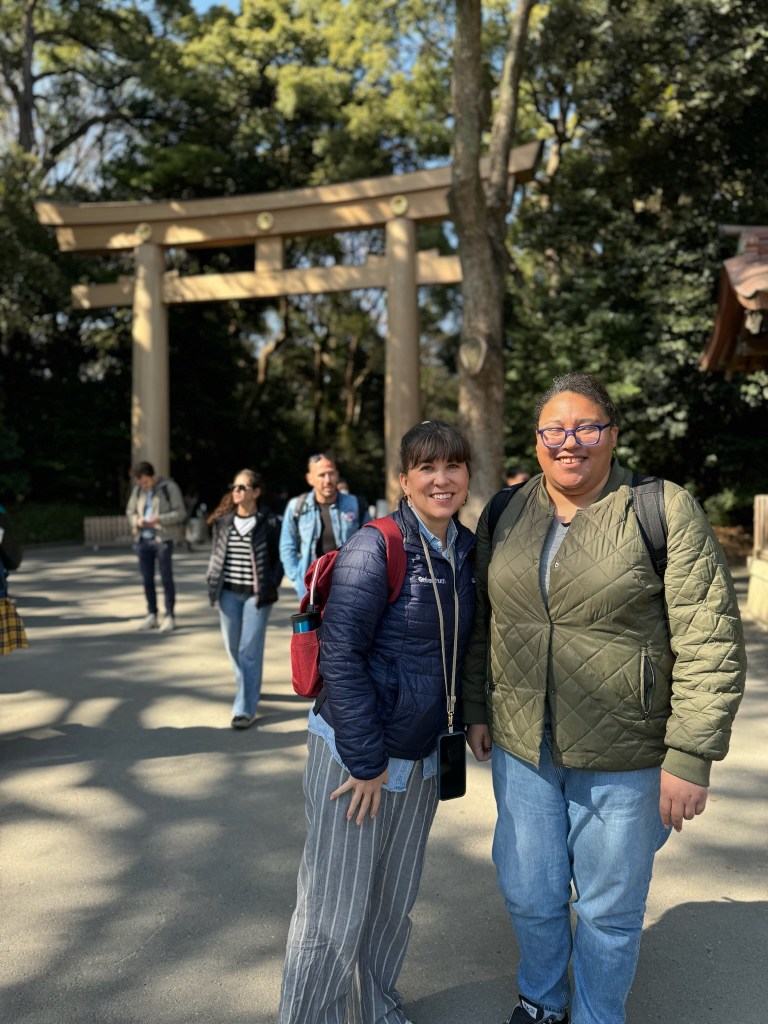
“By this everyone will know that you are My disciples, if you love one another.” John 13: 35 (BSV)
It is the love of people that uniquely qualifies Susan for her role as Missionary Teacher. It is a love that God planted in a small child’s heart and nurtured for decades.
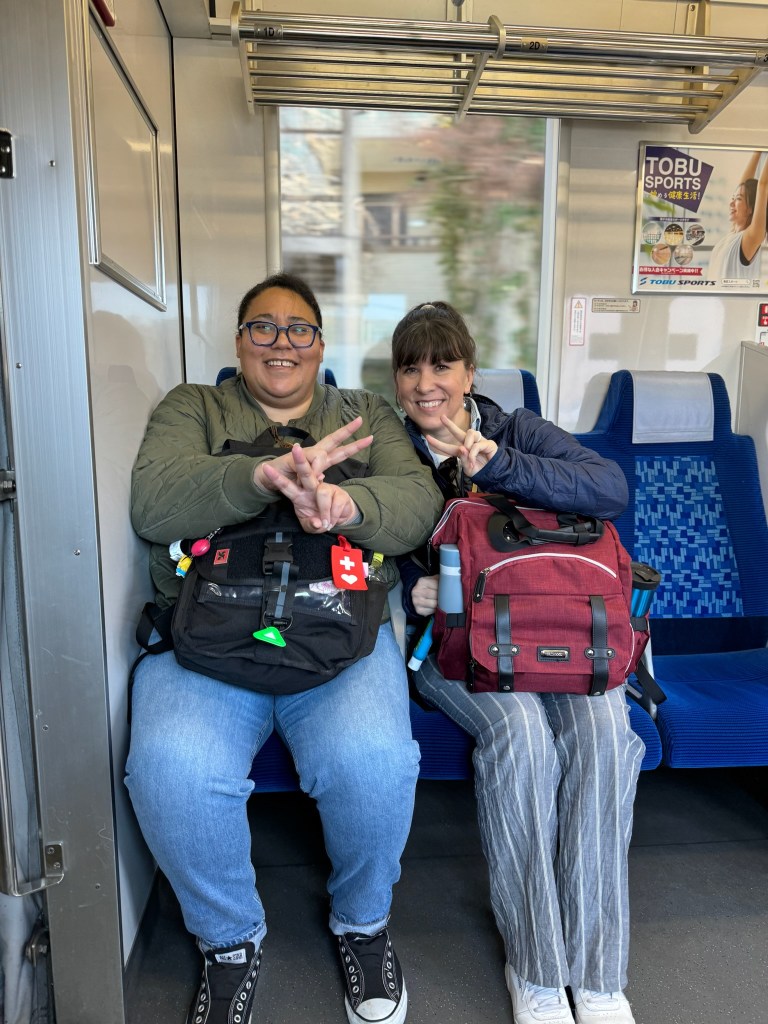
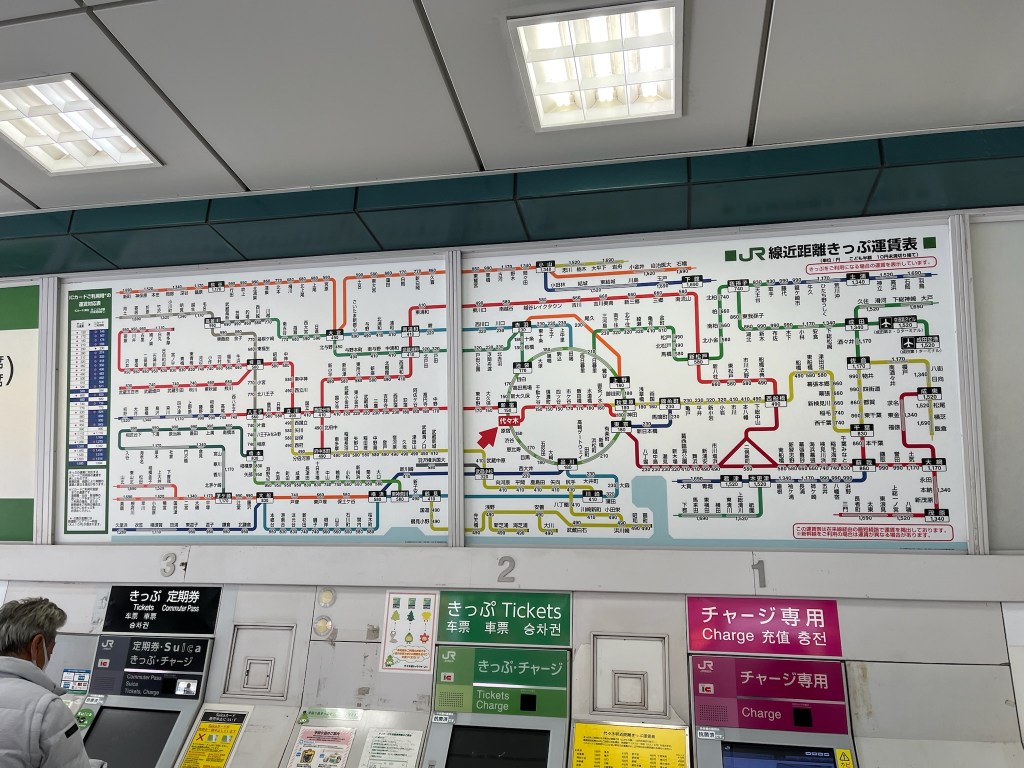
My 5 days in Japan, I learned one vital thing about myself – I cannot read transit maps. It’s a labyrinth of colorful mazes that entertain the artsy side of my brain while the logical side is having a full-on panic attack realizing that I am not equipped to navigate their transportation. I relied fully on Susan and Jill Palmer, my travel partner. At times, I totally disengaged from the travel process – an act they both took to mean that I was overwhelmed by site and sound and the crush of humanity. At first, maybe so. But on more than one particular long train ride, I found great peace in standing across the train from them, watching two friends with an old and deep friendship talk, their heads together, smiles across their faces. Sometimes their bodies quivered in laughter at a shared joke. Seriousness would fall across their eyes as Jill asked her thousandth question of the day and Susan patiently explained the nuances of language, the complication of religions, the importance of dress, the love of the visual arts – her love for the Japanese people dancing in her eyes.
As a single woman in Missions, she has traveled, lived, learned and led alone. Though her first assignments were with YWAM and Chi Alpha, the community there was still transient. Students came and went. That is the nature of their mission. She was the constant.
Let’s be honest – alone is hard. Few could do it.
For 5 days, Susan had company in her mission field. While I stood apart from my crew, I also imagined myself alone. What it would be like to travel this long commute every week to participate in a Contemporary English class? To face students who saw in me a microcosm of all Americans and looked to me to provide insight into the distinct variations for 50 states and 343 million people? How would I process their questions? How would I carry the stress?
Then, let’s factor in the Covid-19 Pandemic of 2020 – which for Japan included masking through 2023. Living alone in a nation where 16,480 dwell in a square mile. Isolated. By masks. By distance from friends family. By time zones that limited communication with those who loved you. Alone.
About this time is when my sight grows bleary and I weep and ask forgiveness for not being better aware of those inside my heart and outside my country who dwelt in such isolation. I apologize and ask forgiveness from God and from you. I’m sorry Susan.
During this time, Susan also had to contend with not being able to return to the States due to not only travel restrictions but the sheer cost. She also was not able to work and yet still needed to maintain visa status as a missionary and a teacher. Susan’s original mission assignment with Chi Alpha was for one year and then she had changed organizations at their invitation. And then, as she found footing in another community, the ministry felt a change in vision again. And again, Susan had to pivot.
Changes and covid brought suffering. Her elder community suffered. Her English students suffered. The youth she had nurtured suffered. And inevitably, her own mental health suffered. Her physical health suffered and then she took a hit when a fall down the stairs further sidelined her from activity with doctors appointments, physical therapy and mandatory rest.
Yet, Susan is still there. Her physical recovery also brought the change to seek mental health help. Teachers and translator from the church she teaches. With continued to pour into her and encourage her. Like so many Japanese who battled the unique issues of a crowded society in lockdown, she is still moving forward. With Jesus. Still commuting hours each day to teach Bible, to teach English, to sit with people in coffee shops and restaurants and listen to their stories and then share Jesus and His hope.
Single. And Qualified.
“For we are God’s handiwork, created in Christ Jesus to do good works, which God prepared in advance for us to do” (Ephesians 2:10).
It is perhaps the single woman who has made the greatest impact with the Gospel in Japan. Today, 1/3 of all foreign missionaries around the world are single women. In the 1880’s, 2/3 of all missionaries in Japan were unmarried women, with grace and quiet boldness challenging the societal norms of a patriarchal society.
Susan is studying to complete her Japanese Language Proficiency Tests at all levels. She is seeking a new church home for fellowship since the pandemic removed previous options. Susan is perfecting her spiritual gift as a teacher while drawing on her skills as friend and mentor while waiting expectantly as God brings healing to her and her community.
Not for discussion.
There is no interest here in debating the qualifications of women – single or married – as pastors, teachers, missionaries, evangelists or any other role society may seem fit to give a title. Theologians have debated, and continue to debate, the role of the feminine while a Company of Women have quietly gone about the business of teaching, preaching, listening, serving and bringing souls to the cross.
Perhaps it is best we let the Word of God have the final say:
“Our God is in heaven; He does whatever pleases him.” Psalm 115:3

Further Reading on Women in Japan
Further Reading on Single Women in Missions – https://www.imb.org/2020/12/16/imb-commemorates-service-single-female-missionaries/


 Complicated Hope
Leave a comment