part 1 – It is so complicated that it needs to be digested in small bites. Each bite allows the reader to think about how this beautifully complicated history compares to their own nation and their own faith and how it affects evangelism in communities today.
This island nation is home to 123 million beautiful souls, thriving on 14,125 islands in 146,000 square miles of livable area. As a society, they trace their heritage back to pre-1st millennial BC or pre-1,000 BC. Being an island nation helped them to remain isolated from foreign influence, but it also meant in-fighting among tribes until they united around an Emperor in the 700s. Their history is filled with tribes, feudal systems, attempted invaders, and samurais and marked by dynasties and emperors. It is much more involved than the space, time, and attention allowed here.
It’s complicated.
With political complications follow religious complications. The oldest religion in Japan is closely tied to their belief of the islands’ creation. The indigenous belief of Shinto does not have a founder or religious text but has been passed through traditions. In these traditions, both people and objects are sacred spirits, and in death, people return as these revered spirits. There are no absolutes in Shinto – no moral absolutes of right or wrong. Their practices center around keeping evil spirits away.
Shinto
Shinto was made the official religion in the 1860s CE, but since it lacks absolutes, other religions are not seen as in conflict and can exist alongside these ancient beliefs. Introduced in the 500s AD, Buddhism thrived as a companion religion. Both are still practiced today and can be found throughout the nation in shrines and altars.
In 1543, the first Jesuit missionaries arrived from Portugal. The Catholic faith spread quickly, offering a new hope to the Japanese people. Yet Shinto, being so tied to culture and history, saw this new faith as a threat to their society. Priests and new converts failed to see this important tie to the past and began a method of eradicating ancient beliefs, including the destruction of important cultural sites.
Complication grows.
For the first time in its history, Japan was close to being united as a single nation under Toyotomi Hideyoshi, the third leader of Japan with the vision to bring these islands into one nation. Toyotomi was suspicious of a religion that saw all people as equal. Ironically, this son of a foot soldier and peasant had divided all peoples into 4 distinct classes from which they were not allowed to leave.
Toyotomi was also aware of the possibility of invasion and carefully watched the nations of Portugal and Spain use their fleets to invade and conquer other nations. When Spanish sailors informed him that Spain was using missionaries to infiltrate and conquer nations, his rage resulted in the executions of 26 missionaries and 14 Japanese converts,
A Closed Nation.
The Emperor Ômigachi had first made Catholicism illegal in 1565 and again in 1568 with little effect. In 1587, Toyotomi expelled all missionaries who returned under the guise of traders. Then, in 1620, the Tokugawa shogunate—the emperor of the time—issued the Sakoku Edict, expelling all missionaries from the island and closing the country’s borders to thwart foreign influence.
The Sakoku Edict was extreme. No Japanese citizen living abroad could return home without facing the death penalty. Japanese ships could not enter foreign seas. Only the Netherlands was granted trade permission and faced intense inspection of all ships coming and leaving the ports.
From 1620 until 1852, Japan was closed to foreign trade. Some Christian groups remained, especially in Nagasaki, but they were very few and had little evangelism. Buddhism grew since it was not in conflict with Shinto, and the practices merged and overlap today.
253 Years
In 1873, the ban on Christianity was lifted, and the Constitution of 1889 granted religious freedom to all Japanese peoples: “Japanese subjects shall, within limits not prejudicial to peace and order, and not antagonistic to their duties as subjects, enjoy freedom of religious belief” (Article 28).
The opening of trade brought Missionaries from the Russian Orthodox Church and Roman Catholic Church, as well as Protestants. Yet, the practice of blending religious beliefs can make it difficult to introduce the Gospel of Jesus Christ. Centuries old traditions find themselves in conflict with the religion Christianity.
Hope.
“But I will always Hope and praise you more and more.” Psalms 71:14

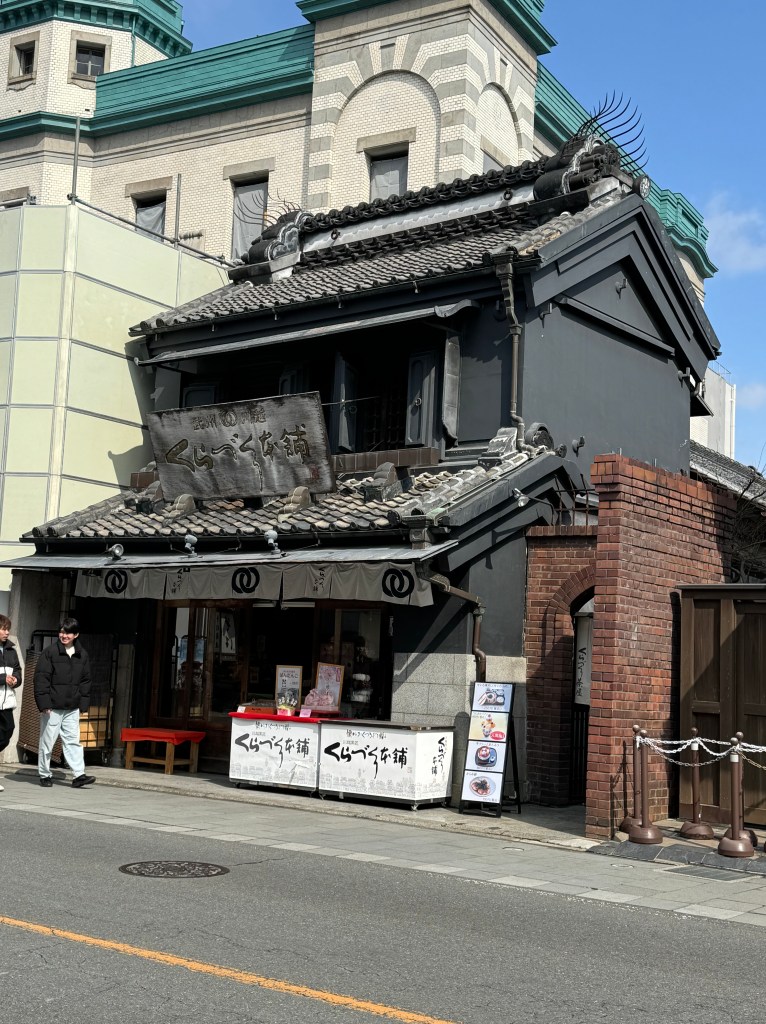
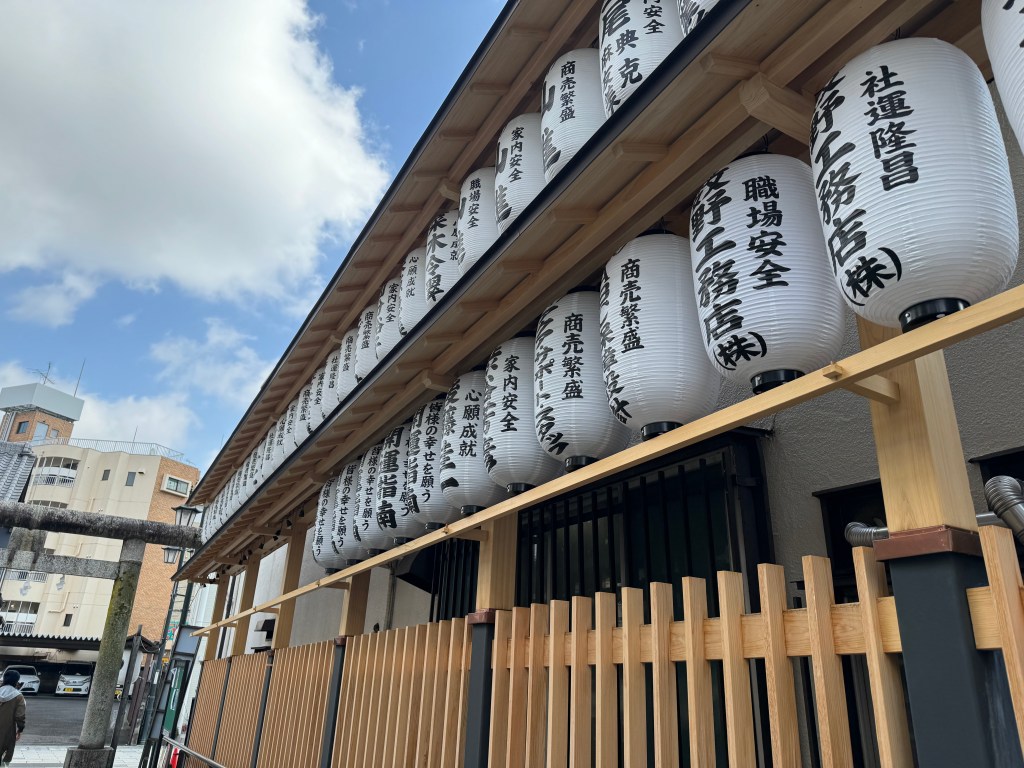
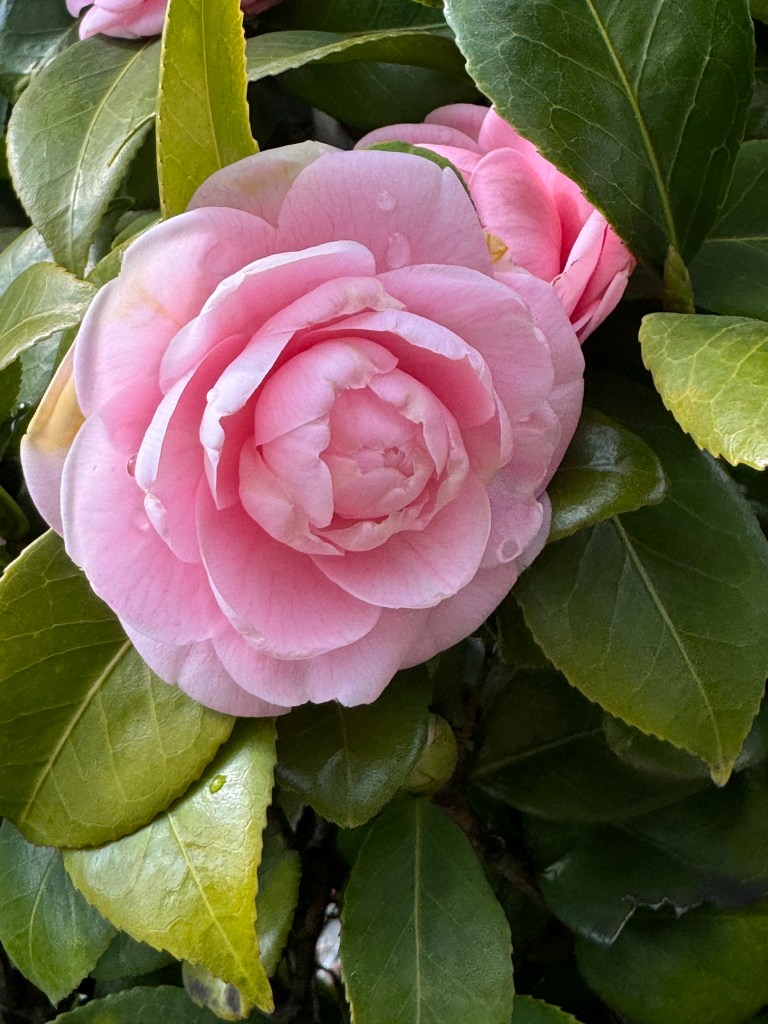

Photos from Kawagoe, Tokyo, Japan
Coming.
What is the state of Christianity in Japan? What is being done by local and international churches? What is the long-term vision within the Nation? How can we support Missionaries in Japan? How can we support Japanese Christians?
For Further Reading:
https://www.britannica.com/topic/Japanese-religion#ref351123
https://www.learnreligions.com/religion-in-japan-4782051
https://www.catholicpamphlets.net/files/pamphlets/the catholic church in japan.pdf

 Complicated Hope
Leave a comment